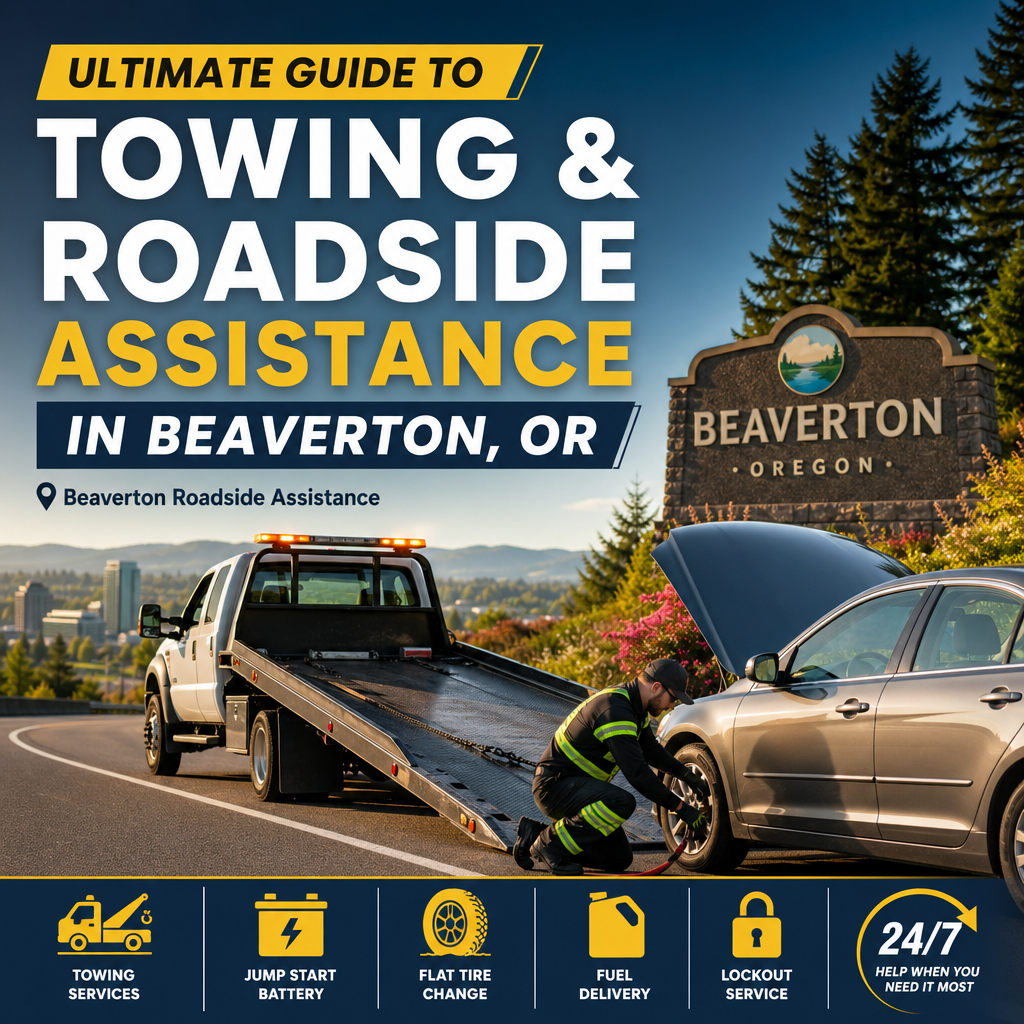
Ultimate Guide to Towing & Roadside Assistance in Beaverton, OR
The Ultimate Guide to Towing & Roadside Assistance in Beaverton, OR
When your vehicle stalls on Canyon Road, slips a belt near Hwy 217, or you run out of gas on Sunset Highway, knowing how to get reliable help fast makes all the difference. The Ultimate Guide to Towing & Roadside Assistance in Beaverton, OR walks you through what to expect, how to choose a provider, safety tips, and smart ways to cut costs so you can get back on the road calmly and quickly.
Common Roadside Services in Beaverton
Local towing and roadside providers typically offer a core set of services you’ll need:
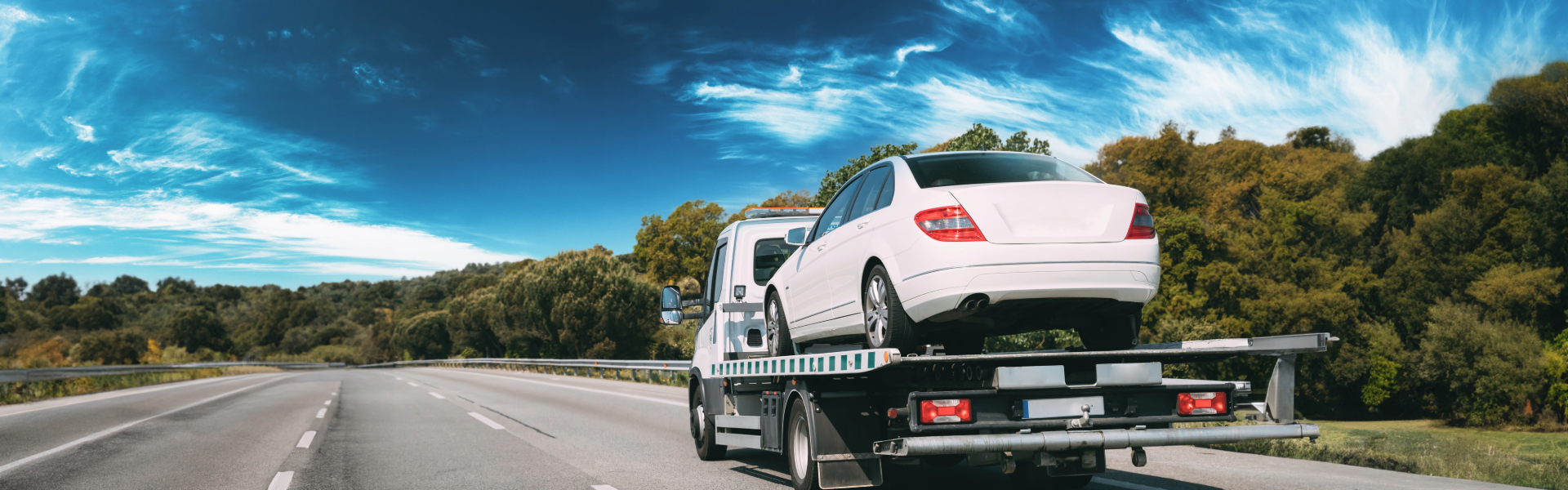
- Towing (flatbed or wheel-lift)
- Jump starts and battery replacement
- Flat tire change or tire repair
- Fuel delivery (gasoline or diesel)
- Car lockout assistance
- Winching and recovery (for stuck vehicles)
- Accident recovery and impound services
- EV-specific towing and transport
Beaverton’s mix of suburban streets and busy state routes (OR-217, US-26, OR-8) means technicians are often experienced with urban traffic and quick highway recoveries.

How to Choose a Towing or Roadside Provider
When you’re stalled, you don’t have time to guess. Use these quick checks to pick a reputable company:
- Call and get an estimated arrival time and price range before they dispatch.
- Ask whether they use flatbeds (recommended for EVs, low-clearance cars, and all-wheel-drive vehicles).
- Verify they’re licensed and insured—ask for company name and vehicle ID.
- Read recent online reviews for response time and professionalism.
- Prefer local companies familiar with Beaverton routes and municipal rules.
If the company seems evasive about pricing or credentials, hang up and call another provider.
Safety First: What to Do While You Wait
Your safety and the safety of other motorists is the priority.
- Move off the road if possible and turn on hazard lights.
- If you must stay inside the vehicle on a busy road, keep seatbelts fastened and doors locked.
- Use tri-fold warning devices or reflective triangles if you have them.
- For injuries or if the scene is dangerous, call 911 immediately.
- If involved in a collision, take photos, exchange information, and file a police report if required.
Cost Expectations and Pricing Tips
Towing and roadside prices vary widely, but having a ballpark helps avoid surprises.
- Local hookup fee: typically $75–$150
- Per-mile towing: commonly $2–$4 per mile
- Jump start: $50–$120
- Tire change: $40–$90
- Fuel delivery: $10–$50 plus the cost of fuel
- Winching/recovery: $100+ depending on difficulty
To reduce costs:
- Use your insurance roadside benefits or an auto club membership (AAA and similar services).
- If safe, arrange for a friend or family member to bring fuel or a spare to avoid delivery fees.
- Ask about flat rates for local tows before dispatch.
EVs and Hybrids: What Beaverton Drivers Should Know
Electric vehicles need special handling. Flatbeds are preferred to avoid drivetrain damage. If you drive an EV or hybrid:
- Tell the dispatcher the make and model—EVs often require flatbed equipment.
- Expect slightly higher towing fees for EVs due to the equipment required.
- Ask about battery state protocols; some providers are trained to handle EV safety systems.
Memberships, Insurance, and Roadside Programs
Consider these options to save money and gain peace of mind:
- AAA or other auto-club memberships: predictable pricing and nationwide coverage.
- Auto insurance roadside benefits: many policies include towing or reimbursement up to a limit.
- New car warranties: some include roadside assistance for a set period.
- Credit card travel benefits: check if your card offers roadside assistance or reimbursement.
Keep membership numbers and contact info in your phone for quick access.
Seasonal Considerations in Beaverton
Rain is common in Beaverton, and occasional ice/snow in winter can complicate recoveries. During wet or icy conditions expect slower arrival times and higher recovery difficulty—plan extra time and prioritize safety.
Quick Packing Checklist for Drivers
Keep a small roadside kit in your car:
- Reflective vest or triangles
- Flashlight with fresh batteries
- Tire pressure gauge and inflator
- Basic tool kit and gloves
- Portable phone charger
- Emergency blanket and water
Final Tips
- Save local towing numbers in your phone, but rely first on reviews and credentials when you call.
- Never accept unsolicited tow service offers after an accident—select your own provider.
- When in doubt, call 911 for hazardous situations.
The Ultimate Guide to Towing & Roadside Assistance in Beaverton, OR aims to keep you prepared, safe, and informed. With a plan, reliable contacts, and the right membership or insurance coverage, roadside mishaps become manageable interruptions rather than major headaches.